How to Choose the Right Horse Saddle for Your Riding Style
How to Choose the Right Horse Saddle for Your Riding Style
Why the Right Horse Saddle Makes All the Difference
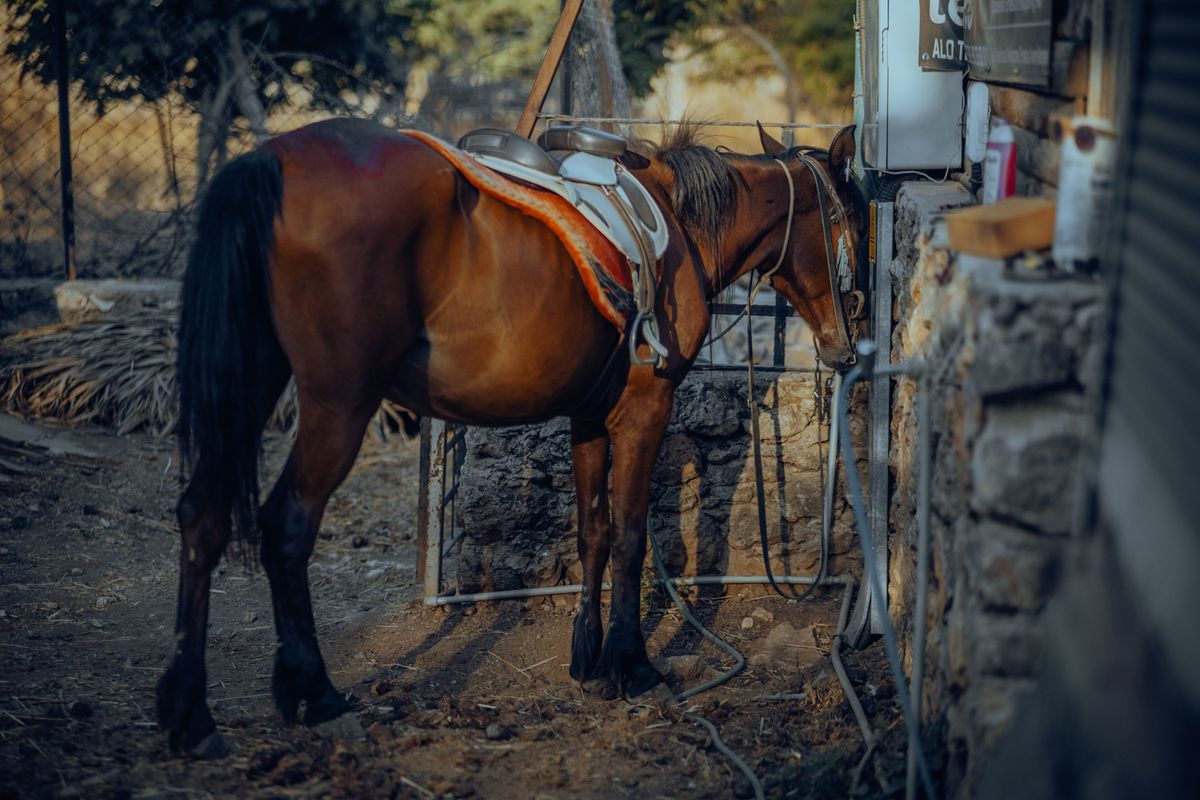
A horse saddle is not just a piece of equipment. It is the primary point of contact between you and your horse, and the wrong one causes discomfort for both rider and animal. Before you spend money on any saddle, understanding what you actually need saves you from costly mistakes.
Most new riders assume that any saddle will do the job. Experienced equestrians know better. The fit of a horse saddle affects your horse’s movement, your posture, and the quality of every ride you take. Poor fit leads to back soreness, behavioral problems, and in some cases, long-term injury.
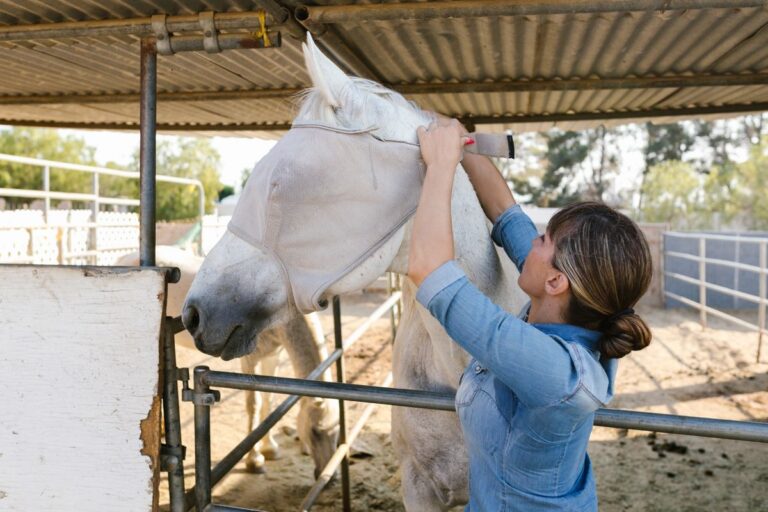
For a broader look at essential horse gear, see our guide on choosing the right horse blanket and why horse fly masks matter for your animal’s wellbeing.
The Main Types of Horse Saddles
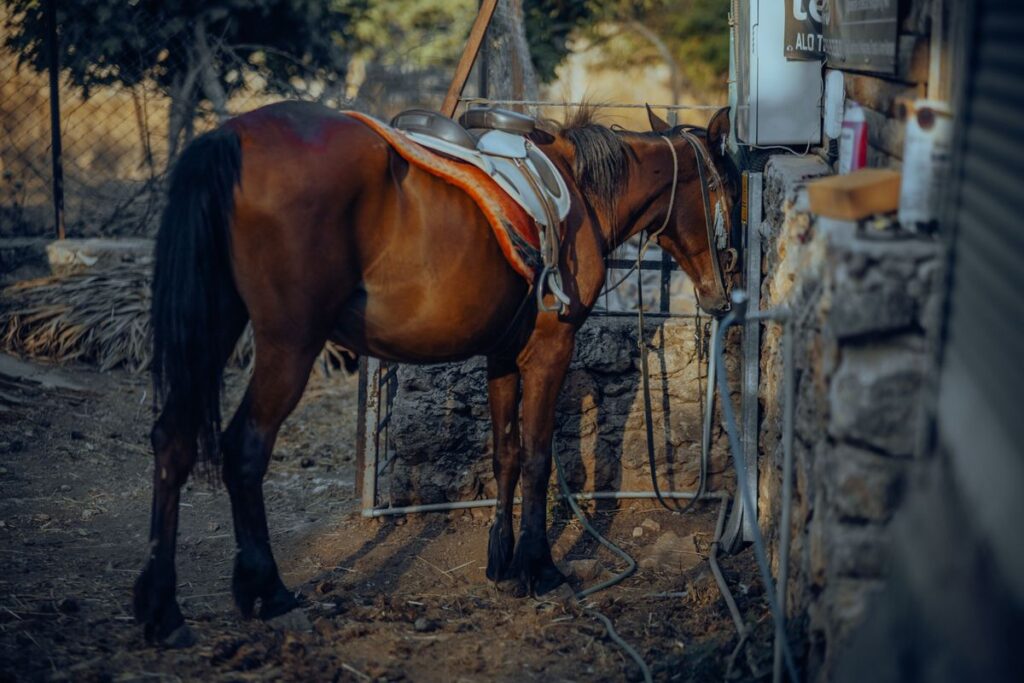
Saddle design follows riding discipline closely. Choosing a saddle type that does not match your discipline means fighting your equipment on every ride.
| Saddle Type | Best For | Seat Depth | Typical Weight |
|---|---|---|---|
| Western | Trail, ranch, reining | Deep | 25 to 40 lbs |
| English (All-Purpose) | General riding, beginners | Medium | 10 to 15 lbs |
| Dressage | Flatwork, collection | Deep, straight flap | 12 to 18 lbs |
| Jumping | Show jumping, cross-country | Shallow, forward flap | 10 to 14 lbs |
| Endurance | Long-distance trail | Medium, lightweight | 8 to 12 lbs |
Understanding Saddle Fit for the Horse
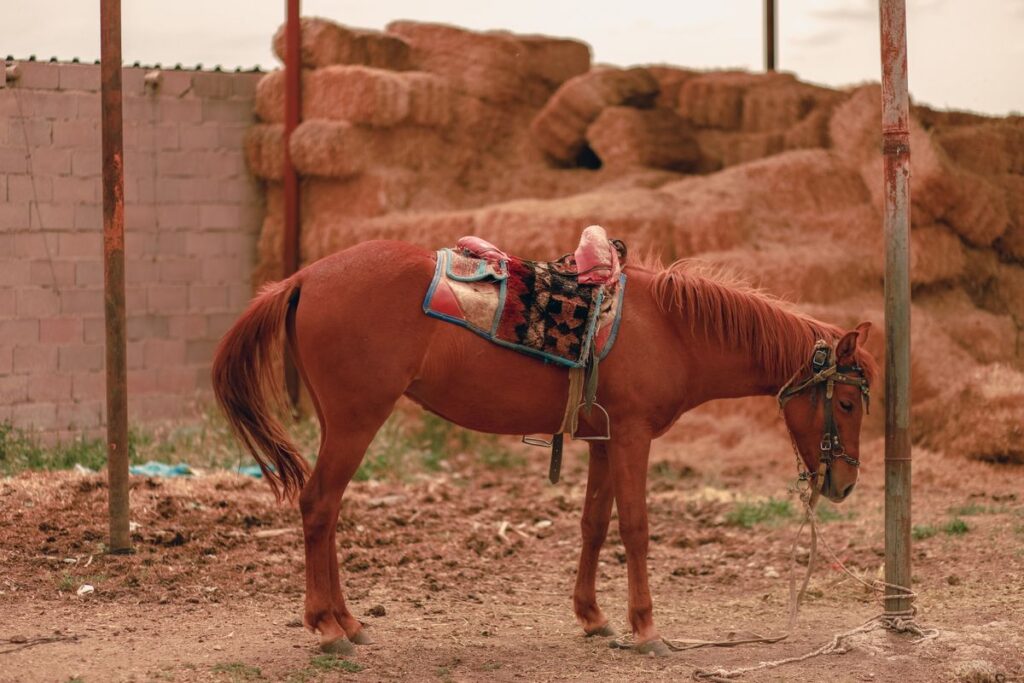
No matter how expensive your saddle is, an incorrect fit causes real harm. The tree, which is the internal frame of the saddle, must match the shape of your horse’s back. A tree that is too narrow pinches the withers. One that is too wide puts pressure on the spine.
To check basic fit, place the saddle on your horse without a pad. You should be able to fit two to three fingers between the pommel and the top of the withers. The saddle should sit level, not tilted forward or back. The panels, which are the padded sections underneath, should make even contact along the horse’s back without bridging, meaning no gap in the middle.
The Importance of Tree Width
Tree width is measured in gullet size and labeled as narrow, medium, wide, or extra-wide. Most horses fall into the medium to wide range, but the only accurate way to know is to have a qualified saddle fitter assess your horse. Quarter horses typically need a wider tree. Thoroughbreds and Arabians often need a narrower fit.
Finding the Right Seat Size for the Rider
Seat size determines how comfortable you are and how effective your aids can be. Too small a seat and you feel cramped. Too large and you slide around, losing stability.
For English saddles, seat size is measured in inches, typically from 16 to 18 inches. A simple guide: measure from your knee to the back of your seat bone while sitting in a chair. Add about half an inch to get your approximate seat size.
For western saddles, the measurement runs from the back of the swell to the front of the cantle. Most adult riders sit comfortably in a 15 to 16 inch western seat.
How Flap and Fender Length Affect Comfort
In English saddles, the flap should align with your knee when your leg is in a natural position. Too long a flap and your knee sits on bare leather. Too short and the flap ends above your knee, causing rubbing. Western saddles use fenders instead of flaps, and the length should allow a slight bend in your knee without strain.
Saddle Materials: Leather vs Synthetic
Leather saddles last decades with proper care. They mold to both horse and rider over time, becoming more comfortable with age. The downside is cost, weight, and maintenance. Leather needs regular cleaning and conditioning to stay supple.
Synthetic saddles cost significantly less and require almost no maintenance. They are lighter, easier to clean, and a practical choice for riders on a budget or those who ride in wet conditions often. The trade-off is that they do not have the same grip or feel as leather, and they rarely outlast a good leather saddle.
New vs Used: What to Look for When Buying Secondhand
A used horse saddle can be an excellent buy, but it requires careful inspection. Check the tree first by holding the saddle at the pommel and cantle and twisting gently. Any cracking or movement in the tree means it is broken and the saddle is unsafe. Inspect the stitching on the stirrup bars and girth straps, as these are the highest-stress points. Look at the panels for uneven wear, lumps, or areas that have gone flat.
Questions to Ask a Seller
Ask what horse the saddle was fitted to, how old it is, whether the tree has ever been checked, and what size horse it was used on. A seller who cannot answer these questions may not know the saddle’s history well enough for you to buy it safely.
Saddle Pads and Their Role in Fit
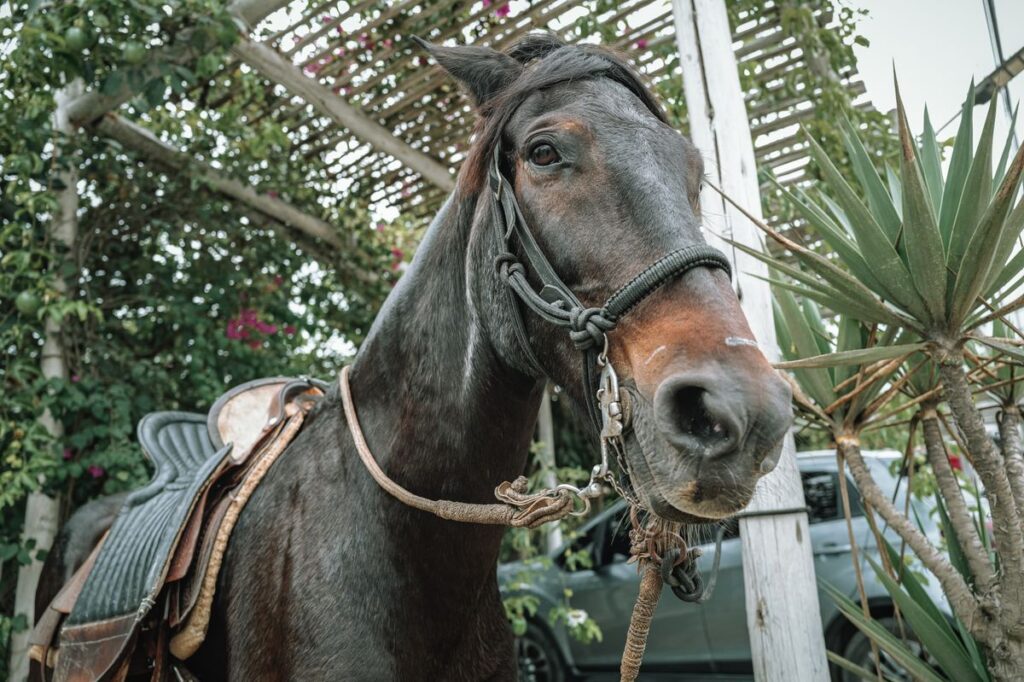
A saddle pad is not a substitute for a well-fitting saddle. Its purpose is to protect the saddle and provide some cushioning, not to correct fit problems. Using a thick pad to compensate for a narrow tree still causes pressure on the withers, just in a slightly different place.
Choose a pad that matches your saddle type. Western pads are thick and square. English pads are thinner and shaped to the saddle flap. If your saddle fits well, a standard pad works fine. If your saddle is slightly wide, a shimming pad with pockets allows you to add foam inserts to adjust the contact.
Maintenance and Care for Long Saddle Life
Clean your horse saddle after every ride using a damp cloth to remove sweat and dirt. Once a week, apply leather conditioner to prevent cracking and keep the leather supple. Store it on a saddle rack in a dry location away from direct sunlight, which dries out leather quickly.
Check your girth straps and billet guards every few months for signs of wear. These are the components most likely to fail under stress, and replacing them is inexpensive compared to the cost of a fall caused by equipment failure. Pair your saddle care routine with a good horse blanket storage habit and your equipment will last many seasons.
When to Have Your Saddle Professionally Assessed
If your horse shows any of these signs, get your saddle checked by a qualified fitter: hollow or tense back muscles, reluctance to stand for tacking up, pinned ears when the saddle approaches, swishing tail during work, uneven sweat marks, or a girth that needs tightening constantly. These are not behavioral problems. They are communication from a horse telling you something hurts.
A professional saddle fitter visits your horse, assesses the fit under both static and ridden conditions, and can refloc or adjust panels to improve fit without buying a new saddle. Most charge between $75 and $150 for a full assessment, which is money well spent. According to Wikipedia’s overview of saddle history and design, proper saddle engineering has been refined over centuries precisely because fit affects both performance and animal welfare.
Frequently Asked Questions
How do I know if a horse saddle fits my horse correctly?
Place the saddle on your horse without a pad and check that two to three fingers fit between the pommel and the withers. The saddle should sit level, not tilted, and the panels should make even contact along the back with no bridging. After a ride, check for even sweat marks across the full panel area as a sign of balanced pressure distribution.
What size saddle seat do I need as a rider?
For English saddles, measure from the back of your knee to the back of your seat bone while seated, then add half an inch. Most adults ride in a 16 to 17.5 inch English seat. For western saddles, the standard adult range is 15 to 16 inches. When in doubt, sit in the saddle with your knee at a right angle and check that you have roughly a hand’s width in front of your knee and behind you.
How often should a horse saddle be professionally fitted?
Have your saddle assessed by a qualified fitter at least once a year, or any time your horse changes weight significantly, comes back into work after a long break, or starts showing signs of discomfort such as back tension, reluctance to be tacked up, or uneven sweat marks. Young horses changing shape through training should be checked every six months.