9 Things to Know Before Buying a GPS Dog Collar
9 Things to Know Before Buying a GPS Dog Collar
A GPS dog collar can turn a stressful escape into a quick recovery, but the category is crowded and the specs are not always what they seem. Here are nine things worth checking before you buy one, based on how these collars actually perform day to day rather than what the marketing copy promises.
1. Cellular Tracking vs. Radio Range Tracking
Most GPS dog collars use a cellular connection, similar to a phone, which gives near unlimited range as long as there is cell coverage, but requires a monthly subscription. A smaller group of collars use radio frequency tracking between a handheld unit and the collar, with no subscription but a limited range, often a few miles at most, which suits hunters more than everyday city or suburb use.
2. Real World Battery Life Is Shorter Than Advertised
Manufacturers often quote battery life under ideal conditions with infrequent location pings. In daily use, with location updates every few minutes, expect actual battery life to run 20 to 40 percent shorter than the advertised number. A collar rated for five days of use might realistically need charging every three.
3. Weight and Bulk Matter More for Small Dogs
A GPS unit that feels negligible on a 70 pound Labrador can be genuinely uncomfortable on a 10 pound terrier. Check the listed weight of the tracker itself, not just the collar strap, and look for reviews specific to smaller breeds if that applies to your dog.
4. Waterproofing Ratings Are Not All Equal
An IPX7 rating typically means the unit can survive brief submersion, which covers rain and puddle splashes but not extended swimming. If your dog is a regular swimmer, look specifically for a collar rated for submersion at depth for a longer duration, since not all “waterproof” claims hold up the same way.
| Feature | What to Look For | Why It Matters |
|---|---|---|
| Connection type | Cellular for range, radio for no subscription | Determines ongoing cost and coverage area |
| Update frequency | Adjustable, ideally 2 to 5 minute intervals | Faster updates drain battery faster |
| Geofence alerts | Push notification when dog leaves a set zone | Fastest way to notice an escape |
| App history | Stores past routes, not just live location | Useful for tracking activity and habits |
5. Geofencing Is the Feature That Actually Prevents Lost Dogs
Live tracking helps you find a dog after it has already escaped, but a geofence alert tells you the moment a dog leaves the yard, which is a meaningfully faster response. If a collar only offers live tracking without a customizable geofence and instant push alert, it is solving half the problem.
6. Subscription Costs Add Up Over the Collar's Lifetime
Cellular collars typically run 5 to 15 dollars a month, which is a reasonable ongoing cost but worth calculating over a few years rather than judging only by the upfront hardware price. Some brands offer discounted annual plans that meaningfully lower the per month cost compared to paying monthly.
7. Fit and Retrofit Options
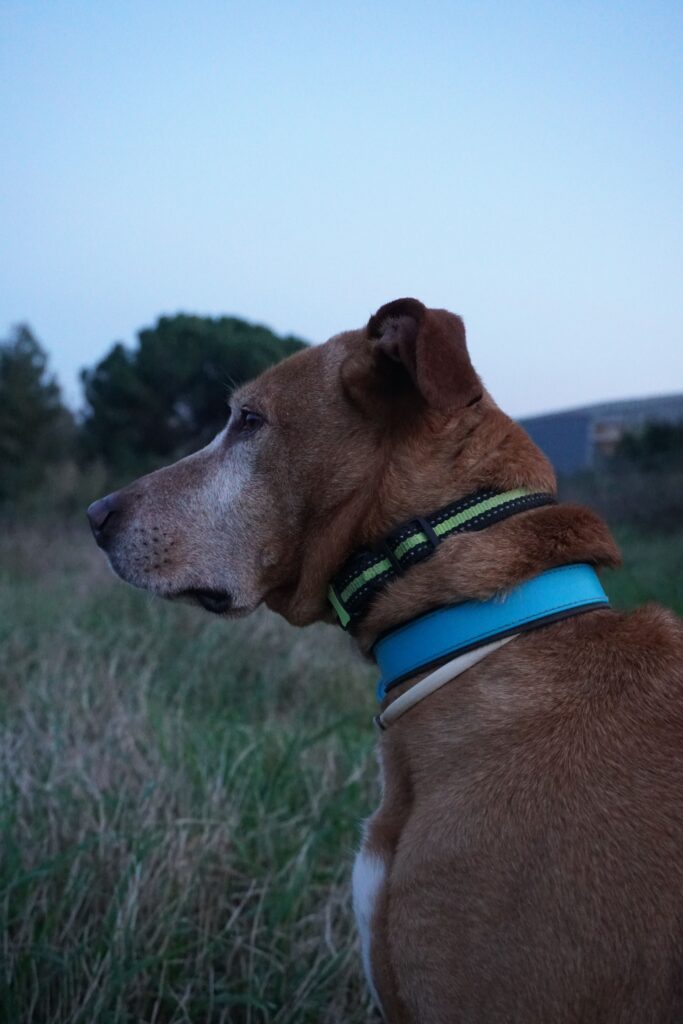
Some GPS collars are standalone, replacing your dog’s current collar entirely. Others are small attachments that clip onto an existing collar, which is useful if your dog already wears a collar with tags or an ID that you do not want to swap out. Check whether the unit is a full collar or an attachment before buying.
8. Activity Tracking Is a Nice Extra, Not the Main Feature
Many GPS collars now include step counts and activity graphs similar to a fitness tracker. This is a pleasant bonus for monitoring a dog’s general activity trend over time, but it should not be the deciding factor over core tracking reliability and battery life. A few models also log sleep quality or flag unusual scratching, which can be an early signal worth mentioning at a vet visit, though these extras vary a lot in accuracy between brands.
Setting Up a New Collar the Right Way
Once a collar arrives, charge it fully before the first use and let it sit outdoors for several minutes to get a clean satellite lock before relying on it. Set the geofence to match your actual yard or regular walking area rather than the default radius the app suggests, since a zone that is too wide delays the alert and one that is too tight triggers false alarms every time your dog reaches the edge of the porch. If you have more than one dog, check whether the brand offers a discounted rate for additional collars on the same account, and confirm the app can display multiple dogs on one map rather than requiring separate logins for each pet.
9. Check Coverage in Your Actual Area Before Buying
Cellular GPS collars depend on the same networks your phone uses, so rural properties with weak signal may see delayed or inconsistent updates. Look up the specific cellular network a collar uses and cross check it against coverage maps for your area, including anywhere you regularly hike or travel with your dog.
A GPS collar works best alongside good daily nutrition and, where relevant, joint support, so it is worth reading our guides on the best dog food for puppies and pet wellness supplements if your dog is still young or getting more active outdoors. For general background on how these devices work, the Wikipedia entry on GPS tracking units is a useful primer on the underlying technology.
Frequently Asked Questions
Do GPS dog collars need a monthly subscription?
Cellular based GPS collars, which are the most common type, generally require a monthly or annual subscription to maintain the data connection, usually in the 5 to 15 dollar range. Radio frequency collars avoid a subscription but offer much shorter range, typically a few miles.
How accurate is a GPS dog collar?
Most consumer GPS dog collars are accurate to within a few meters under open sky conditions, though accuracy can drop under heavy tree cover, near tall buildings, or in areas with weak cellular signal, which is worth checking for your specific location.
Is a GPS collar safe for a small dog?
Yes, as long as you choose a lightweight tracker sized appropriately for the dog’s weight. Look at the tracker’s own weight, not just the collar strap, since a bulky unit on a small dog can affect comfort and posture.